
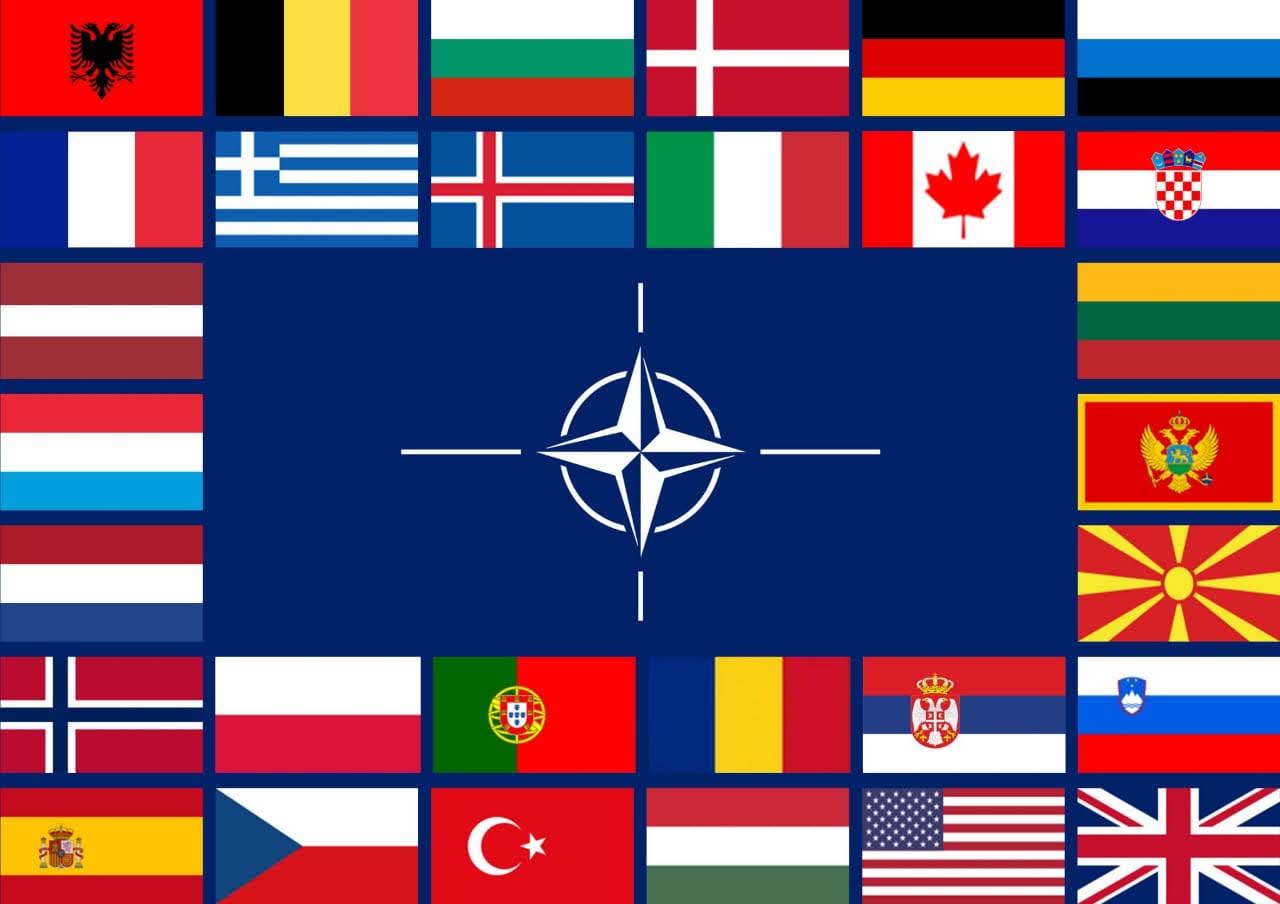
As NATO leaders consider a new five percent of GDP defense spending target, the alliance is also assigning “capability targets” to each country, ensuring they play their part in defending Europe and North America. However, the path to achieving these goals is complicated by Spain’s secured exclusion and President Donald Trump’s insistence that the US should be exempt, raising questions about unified commitment.
The proposed five percent target is bifurcated: 3.5 percent for pure defense spending, a substantial increase from the current two percent minimum, and an additional 1.5 percent for critical infrastructure improvements, cyber defense, and societal preparedness. Spain’s Foreign Minister José Albares emphasized that “the debate must be not a raw percentage but around capabilities,” indicating a focus on specific defense needs.
Prime Minister Pedro Sánchez confirmed Spain’s exemption, indicating that the final NATO communique would no longer mandate the target for “all allies.” This move could set a precedent for other financially constrained members, like Italy and Canada, to seek similar concessions. Trump’s persistent calls for allies to increase their contributions, coupled with his labeling of Canada as a “low payer,” further underscore the internal pressures surrounding equitable burden-sharing.
The driving force behind this intensified focus on defense spending is the shared concern among European leaders about Russia’s aggressive actions in Ukraine and its broader implications for regional security. NATO experts have indicated that robust defense against a potential Russian attack requires investments of at least three percent of GDP. While a 2032 deadline has been floated for achieving the five percent target, the feasibility and enforcement of this timeline remain subjects of ongoing negotiation.