
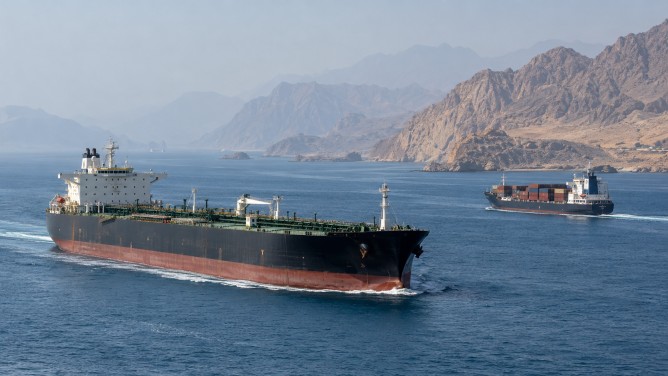
The strategic Strait of Hormuz could potentially reopen within six days, contingent upon the United States accepting conditions set forth by Iran, according to Iranian Foreign Minister Abbas Araghchi. The conditions include lifting restrictions on Iranian ports, removing sanctions on oil exports, and ceasing hostilities in the region. Araghchi noted that Iran is currently reviewing Washington’s response to its proposal, with the possibility of resuming negotiations shortly thereafter.
The Strait of Hormuz is a vital corridor for global shipping, with about 20% of the world’s oil and liquefied natural gas passing through before recent conflicts disrupted its operations. The prolonged closure of this route poses significant risks to international energy supplies and could lead to increased fuel prices globally.
Despite the potential for reopening the strait, significant disagreements persist between Washington and Tehran, particularly concerning Iran’s nuclear program. The U.S. insists on addressing nuclear issues, including uranium enrichment, at the outset of any discussions. In contrast, Tehran prioritizes the reopening of the Strait of Hormuz and ensuring security in the waterway before tackling nuclear-related concerns.
Iranian Defense Minister Mehrdad Akhlaghi has issued warnings regarding the repercussions of renewed U.S. military actions, suggesting they would result in substantial damage to both Washington and its regional allies. Akhlaghi emphasized Iran’s readiness to retaliate against further attacks.
Although there is a proposed timeline for reopening the strait, the substantial differences in the conditions for ending hostilities leave the prospects for a diplomatic agreement uncertain. The ongoing contention over nuclear issues remains a critical obstacle in reaching a consensus.