
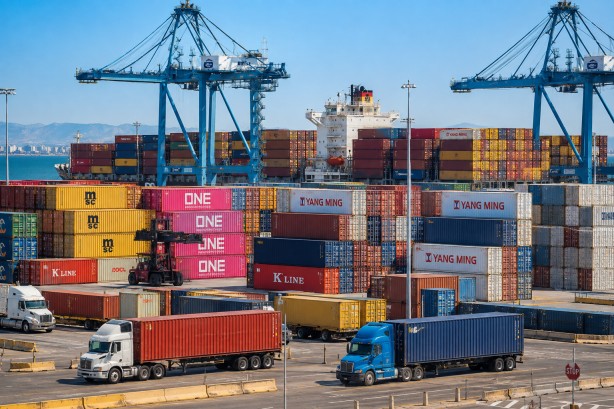
In a significant financial move, the United States government has begun the process of reimbursing approximately $100 billion in tariffs that had been collected under the trade policies of former President Donald Trump. This reimbursement follows a Supreme Court decision declaring a substantial portion of these tariffs to be unlawful. The reimbursed amount represents about 60% of the total $165 billion collected before the court’s ruling. These tariffs were initially implemented as part of Trump’s “Liberation Day” trade strategy, which was designed with the goals of bolstering domestic manufacturing, negotiating more favorable trade deals, and enhancing government revenue.
After the Supreme Court’s ruling, the administration promptly returned the collected tariffs to the businesses and companies that had been affected by these measures. Despite these refunds, the financial health of the federal budget remains a concern, with the deficit reaching a staggering $1.37 trillion in the first nine months of the fiscal year. This growing deficit underscores the ongoing challenges in balancing the nation’s financial commitments and revenue streams.
In a related development, the Trump administration recently announced a new set of tariffs ranging from 10% to 12.5% on imports coming from over 80 countries. These nations include major trading partners such as India, China, the United Kingdom, Canada, Mexico, Australia, and members of the European Union. The administration cited concerns over products potentially linked to forced labor as the rationale behind these measures. This move marks a continuation of the administration’s strategy to exert pressure on international trade partners while addressing human rights issues.
The new round of tariffs, however, is not without its own set of challenges. A coalition comprising 25 US states has emerged, seeking to challenge the legality of these tariffs in court. The states argue that these recent tariffs effectively replace the ones previously nullified by the Supreme Court, thus questioning their legality. This legal battle adds another layer of complexity to the already intricate trade landscape, as stakeholders await judicial resolution on these pressing economic measures.