
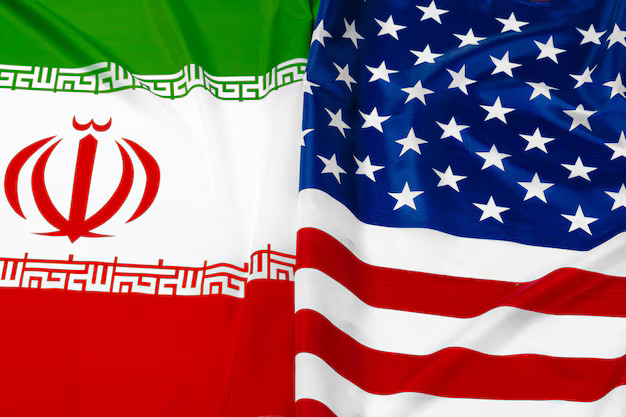
In a significant diplomatic development, the United States and Iran have reached a peace agreement intended to bring an end to nearly four months of hostilities in the Middle East. Senior officials from both nations have confirmed the deal, which stipulates an immediate cessation of military activities across all conflict zones, including Lebanon. This agreement marks a pivotal step towards stabilizing the region, though the full implementation timeline remains uncertain due to differing statements from both sides.
As part of the peace accord, US President Donald Trump announced that the Strait of Hormuz, a vital corridor for global maritime commerce, will be reopened. This is anticipated to facilitate the resumption of international oil shipments, potentially relieving some of the strains on global energy markets. However, while the reopening is a critical element of the agreement, the precise schedule for restoring full access to this crucial waterway has not been clearly defined.
A formal signing ceremony for the agreement is scheduled to occur in Geneva on June 19. Key elements of the accord include the lifting of US naval restrictions and efforts to reestablish commercial shipping through the Strait of Hormuz. Additionally, the agreement aims to enhance Iran’s ability to engage with international oil markets, which could provide much-needed relief to its economically beset nation. Nevertheless, more intricate issues, such as Iran’s nuclear program, will be subject to a 60-day negotiation period designed to forge a more comprehensive deal.
Despite the progress, recent tensions in Lebanon, exacerbated by Israeli military actions, have posed challenges to the stability of ongoing negotiations. Iran has maintained that any resolution must encompass all regional conflicts, including the situation involving Hezbollah in Lebanon. While the agreement is hailed as a breakthrough in diplomacy, analysts remain wary about the feasibility of resolving entrenched disputes within the proposed timeline. Concerns about regional security, particularly regarding Iran’s missile program and its support for allied groups in the Middle East, persist.
The reopening of the Strait of Hormuz is poised to positively impact global energy markets. Nevertheless, experts caution that restoring normal shipping operations and addressing damage to infrastructure caused by the conflict might require several months. This tentative peace agreement, while promising, is just the beginning of a complex process aimed at achieving lasting stability in the region.