
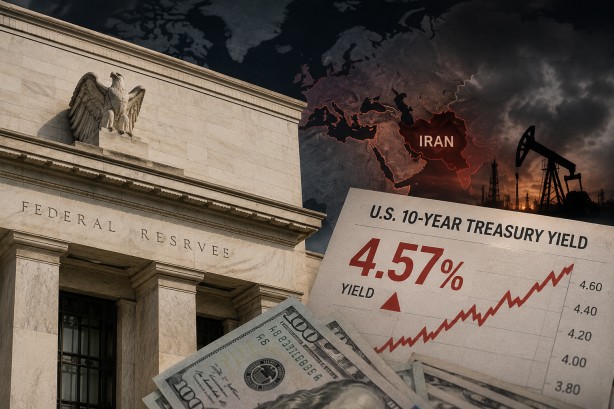
Amid ongoing concerns about inflation, the Federal Reserve decided to maintain its current interest rate, leading to a spike in U.S. government borrowing costs to levels not seen since 2007. This decision by the Fed has caused unease among investors, resulting in significant drops across major U.S. stock indexes.
The market’s anxiety was further fueled by the United States’ recent military actions, which involved new strikes on Iranian targets. These strikes were in response to attacks on American forces stationed in Jordan, further intensifying the already volatile situation in the Middle East. As a consequence, Brent crude oil prices surged past $88 per barrel, sparking worries about the potential for increased energy costs to exacerbate global inflationary pressures.
Analysts are observing a troubling confluence of factors, including the sustained high interest rates, geopolitical instability, and soaring oil prices, all of which are contributing to increased strain on financial markets. The combination of these elements is amplifying concerns regarding the global economic forecast.
The situation underscores the complex challenges facing global markets, as economic participants navigate the implications of persistent inflation and geopolitical uncertainties. These developments have intensified the focus on how sustained higher costs, particularly in energy, could impact broader economic conditions worldwide.