
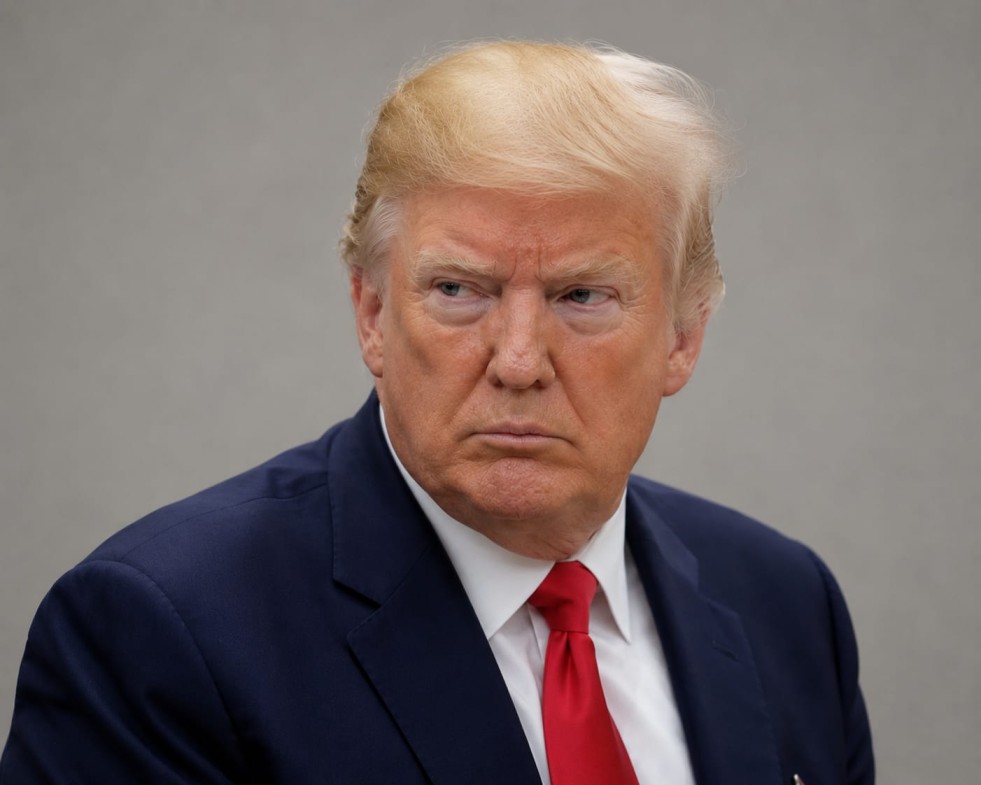
As the North Atlantic Treaty Organization prepares for its summit in Ankara, U.S. President Donald Trump has voiced his dissatisfaction with the current state of American involvement in the alliance. Trump has expressed concerns that the relationship is “one-sided” and lacks reciprocity, emphasizing his belief that the U.S. is shouldering an unfair share of the defense responsibilities. This discontent comes into sharper focus as Trump highlighted that several NATO allies did not show support for the United States during its recent conflict with Iran. He described the situation as “ridiculous” for the U.S. to maintain its existing level of defense commitments under these circumstances.
Throughout his presidency, Trump has been vocal about urging European NATO members to take on more responsibility for their own defense. His administration has already initiated measures aimed at scaling back certain U.S. defense roles in Europe as a way to press NATO allies into action. This push for increased European engagement in security affairs aligns with Trump’s broader strategy to recalibrate international defense obligations that he deems disproportionate.
Adding to the conversation, U.S. Secretary of State Marco Rubio acknowledged the existing strains within the alliance, particularly regarding the response—or lack thereof—from some NATO nations to U.S. military actions in the Middle East. Rubio suggested that these tensions are expected to be a focal point during the upcoming discussions in Ankara, highlighting the need for a unified approach to global security challenges.
The upcoming summit on July 7-8 will bring together leaders from NATO’s 32 member countries. The primary agenda will include discussions on defense cooperation, addressing emerging security threats, and evaluating future commitments. The meeting presents an opportunity for member nations to address these issues head-on, potentially reshaping the dynamics of the alliance to better reflect shared responsibilities and mutual support.