
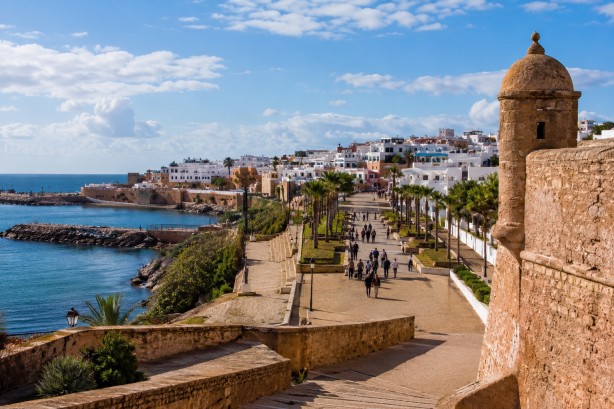
In 2026, Rabat, the capital of Morocco, is set to shine as UNESCO’s World Book Capital, a title that highlights its emerging literary scene. Yet, Rabat’s allure extends well beyond the realm of books. The city is a blend of the old and the new, where modern architecture intersects with ancient traditions, offering a serene escape compared to Morocco’s more bustling tourist spots. Visitors to Rabat can explore two contrasting environments: the modern quarter with its sleek boulevards and contemporary structures, and the historic medina with its narrow lanes teeming with local markets, traditional crafts, and a vibrant array of spices and produce.
For those interested in art, the Mohammed VI Museum of Modern and Contemporary Art is a must-visit, showcasing an impressive array of Moroccan contemporary art. The museum offers a glimpse into the country’s artistic evolution through a diverse collection of paintings, photographs, and installations. Meanwhile, the Kasbah of the Oudayas, a historical fortress with stunning views of the Atlantic Ocean, captivates visitors with its charming white-and-blue homes and peaceful lanes. Just a stone’s throw away, the Andalusian Gardens provide a serene retreat with their colorful flora and shaded paths.
The coastal charm of Rabat is undeniable, with its beaches drawing families, sports enthusiasts, and surfers alike. As the sun sets, the Atlantic Ocean offers a breathtaking backdrop, enhancing the lively yet tranquil ambiance. Rabat’s culinary scene is equally enticing, offering traditional Moroccan dishes like savory lamb tagine and couscous with seasonal vegetables, accompanied by freshly baked khobz bread. Visitors can enjoy these delicacies over a cup of mint tea at cafés with views of the Bou Regreg River.
History aficionados will find much to admire at Chellah, an archaeological site that combines ancient Roman ruins with a medieval Islamic necropolis. Its serene gardens and historic walls, coupled with panoramic views, make it a landmark of great fascination. For a unique perspective on the city, electric tuk-tuks offer a convenient way to navigate Rabat while taking in its iconic sights. As evening falls, waterfront restaurants along the river provide perfect settings to unwind with local cuisine and drinks, all against the backdrop of stunning vistas.
Rabat’s literary culture is also thriving, with independent bookstores offering a treasure trove of both new and second-hand books, reflecting the city’s burgeoning literary identity. However, Rabat’s appeal goes beyond its designation as a World Book Capital. The city seamlessly weaves together culture, history, hospitality, and coastal beauty, promising an unforgettable travel experience for those interested in architecture, history, local cuisine, or just the charm of authentic Moroccan streets.