
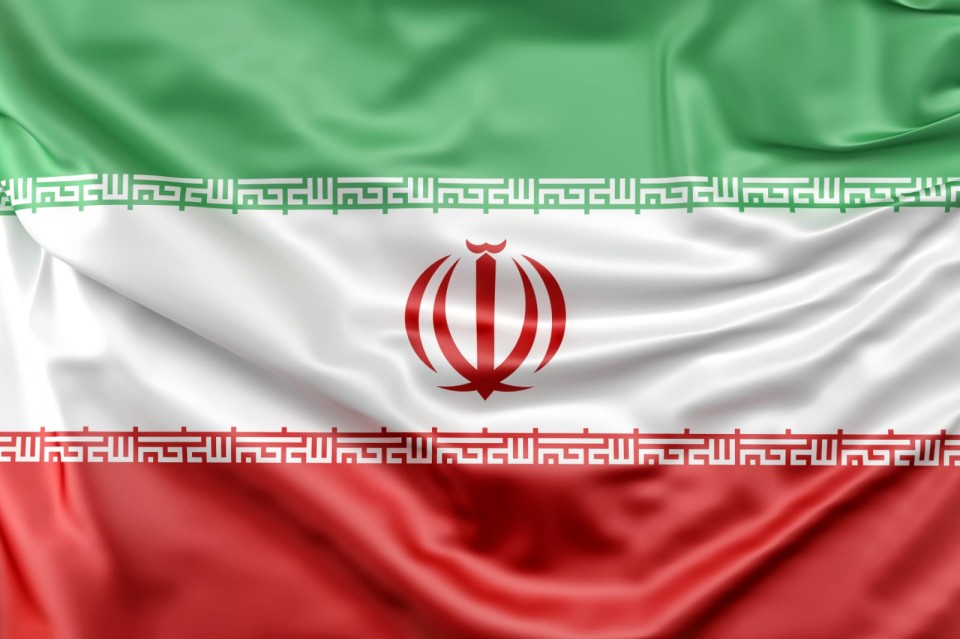
In a move aimed at easing regional tensions, Iran has consented to the return of United Nations nuclear inspectors under a new arrangement with the United States. This development comes as part of broader diplomatic efforts to forge a comprehensive agreement. As outlined by US Vice President JD Vance, the understanding includes reopening the vital Strait of Hormuz and sees Washington preparing to lift sanctions on Iran’s oil and petrochemical exports through a temporary 60-day waiver.
The agreement emerged after nearly 18 hours of intensive negotiations held in Switzerland, involving officials from both Iran and the United States, with mediation assistance from Qatar and Pakistan. Iranian Foreign Minister Abbas Araghchi and Vice President Vance characterized the discussions as fruitful and noted that technical teams are set to continue working on crucial details to finalize a comprehensive deal within the next two months.
The resumption of inspections by the International Atomic Energy Agency marks the return of independent monitoring that had been suspended following Iran’s cessation of cooperation after attacks on its nuclear facilities last year. However, the scope of inspections and access to sites that suffered damage remain points of contention in ongoing discussions. The negotiations also resulted in a new coordination mechanism between Washington, Tehran, and Beirut, aimed at fostering a ceasefire in Lebanon, with Iran emphasizing the cessation of Israeli military actions there as critical for the broader agreement’s success.
In economic terms, the talks have opened discussions around the release of Iranian assets currently frozen in Qatar and the easing of restrictions on Iranian oil sales. Such measures could alleviate inflationary pressures within Iran and enhance access to foreign currency revenues. Despite these advancements, tensions persist; US President Donald Trump cautioned that the United States might take additional steps if Iran does not adhere to its commitments. Meanwhile, Iranian officials underscored that any final accord would require the approval of Iran’s Supreme National Security Council.
The coming weeks will be pivotal as efforts focus on implementing the initial agreements and determining whether this framework can evolve into a sustainable deal addressing Iran’s nuclear ambitions, sanctions relief, and broader regional security concerns.