
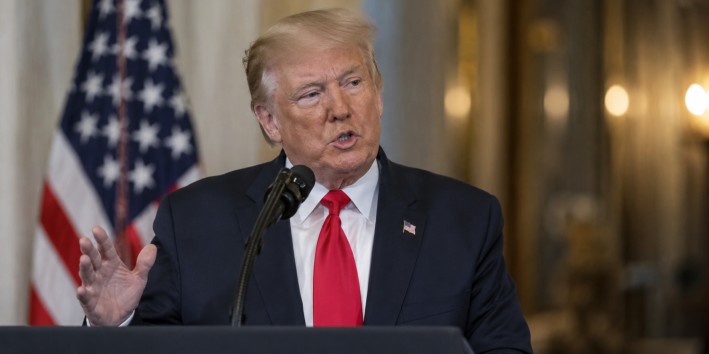
In a recent statement, U.S. President Donald Trump expressed optimism that the United States and Cuba might resolve their tensions through diplomatic means rather than military action. Speaking to reporters on September 26, Trump indicated that he does not foresee the necessity for military intervention, highlighting a potential path forward through negotiations between Washington and Havana.
Trump’s comments follow his address to the United Nations General Assembly, where he criticized the Cuban government, labeling it as failing and calling for transformative change on the island. His assertive stance at the UN prompted a walkout by members of the Cuban delegation, underscoring the existing friction between the two nations.
Despite the high tensions, Trump conveyed a willingness to aid Cuba and foster better relations. He mentioned that Secretary of State Marco Rubio is actively involved in discussions with Cuban officials as part of the U.S. administration’s broader pressure campaign aimed at the Cuban government.
The president’s remarks suggest a shift in focus towards diplomatic engagement, as opposed to immediate military measures. This approach reflects the administration’s current preference for negotiation, although it remains unclear how this strategy will evolve given the longstanding complexities in U.S.-Cuban relations.