
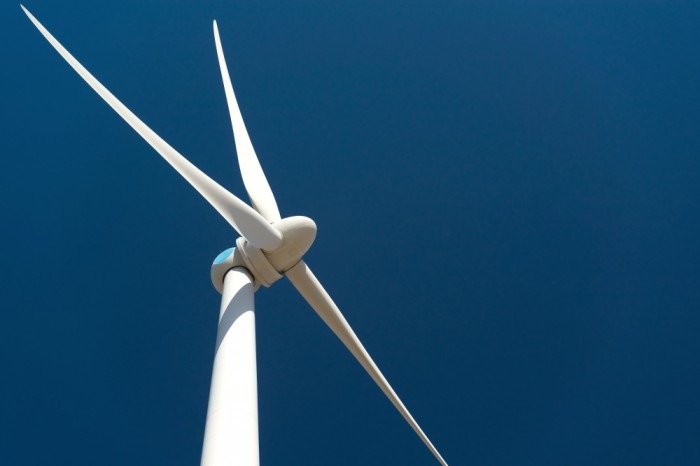
In a significant legal move, six U.S. states have initiated a lawsuit against the Trump administration over its decision to withdraw a substantial offshore wind energy lease near New York. Spearheaded by New York Attorney General Letitia James, the lawsuit claims that the administration unlawfully ended a planned agreement with TotalEnergies to develop offshore wind projects, exceeding its federal authority in the process.
The agreement, announced in March, involved the federal government compensating TotalEnergies nearly $1 billion in return for the company’s decision to abandon plans for two offshore wind farms off the coasts of New York and North Carolina. As part of the agreement, TotalEnergies committed to halting any new offshore wind projects within the United States and to channel its investments towards oil and gas development instead.
Joining the lawsuit are the attorneys general from Connecticut, Maine, Massachusetts, New Jersey, Rhode Island, and Vermont. They argue that the agreement is in violation of federal statutes that regulate offshore energy leases and the allocation of public funds. The states assert that this cancellation undermines efforts to advance clean energy initiatives, jeopardizes the creation of union jobs, and hinders the expansion of cost-effective renewable electricity generation. The plaintiffs are seeking judicial intervention to nullify the agreement, reinstate the offshore wind lease, and halt any further enforcement of the deal.
Defending its decision, the administration contends that offshore wind projects are financially burdensome, unreliable, and heavily reliant on government subsidies. Federal representatives have portrayed the agreement as a strategic move to emphasize traditional energy sources, thereby bolstering the nation’s energy security. However, advocates of offshore wind energy counter these assertions, emphasizing the potential of renewable energy projects to reduce long-term electricity costs, generate employment, and decrease reliance on fossil fuels.
This legal confrontation is poised to become a pivotal battle concerning U.S. energy policy, accentuating the ongoing conflict between state efforts to promote renewable energy and federal initiatives to enhance conventional energy production.