
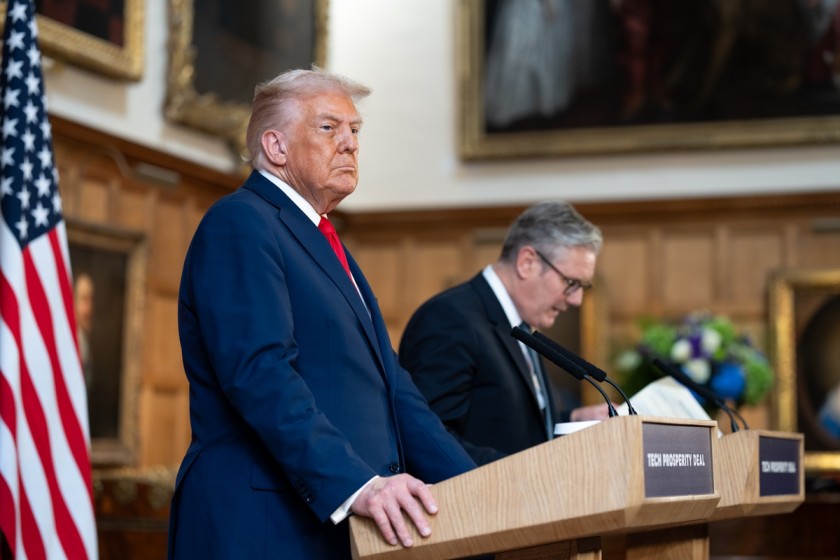
In recent comments on Truth Social, former US President Donald Trump asserted that British Prime Minister Keir Starmer is on the verge of resignation due to his handling of immigration and energy policies. Trump criticized Starmer’s leadership, claiming he had “failed badly” in these key areas, and advocated for increased development of North Sea oil resources. Despite his critique, Trump extended his well-wishes to the British leader.
These statements from Trump come at a time when Prime Minister Starmer faces mounting scrutiny within his own party. Reports suggest that some Labour Party members are questioning his leadership, a sentiment that has been amplified by a recent parliamentary election outcome. This result has bolstered the position of one of Starmer’s political adversaries, sparking renewed conversations about the party’s strategic direction and leadership.
The political climate in the UK is experiencing significant turbulence, with Starmer confronting considerable challenges from within his ranks. The internal dissent has drawn attention to the broader questions surrounding the Labour Party’s future and its policies on critical issues such as immigration and energy, areas where Starmer has been heavily criticized.
Trump’s remarks coincide with a period of heightened international focus on geopolitical issues, as world leaders grapple with ongoing tensions in regions like the Middle East. These global developments are shaping political discourse and strategy, influencing the actions and priorities of political figures like Starmer.