
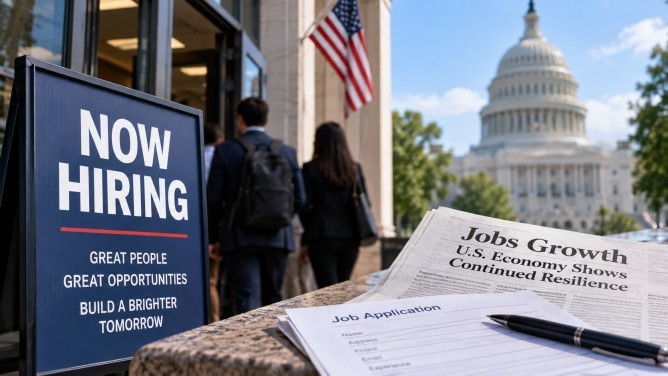
The U.S. labor market witnessed an addition of 162,000 jobs in August, marking a slight recovery following a subdued summer period. Despite this increase, the unemployment rate held steady at 4.1%. The job growth figures have shown considerable variation in recent months, with March seeing an addition of 214,000 jobs, which then plummeted to a mere 21,000 in July. Although August’s job growth surpassed economists’ expectations, who had predicted at least 50,000 new jobs, the overall picture remains mixed.
Revisions to earlier data provided a somewhat more positive outlook for the summer months. Job growth for June was adjusted upward from 20,000 to 31,000, while July’s numbers were revised from a previously reported loss of 23,000 jobs to a gain of 21,000. Despite these adjustments, the labor market still exhibits signs of losing steam, as reflected in the private sector, which saw an increase of just 38,000 jobs in August, indicating that businesses are approaching hiring with caution.
Economists have characterized the current labor environment as a “slow hire, slow fire” market, where companies are neither rapidly expanding their workforce nor engaging in significant layoffs. The stability in job openings and layoffs during July, along with a steady number of workers quitting voluntarily, points to a lack of confidence among employees about the ease of securing new employment.
Inflation remains a pressing issue, exerting additional pressure on the labor market. From February to July, annual U.S. inflation escalated from 2.4% to 3.4%, intensifying financial burdens on households due to rising prices. Concurrently, the increase in bond yields has sparked concerns regarding borrowing costs, as higher Treasury yields could lead to more expensive mortgages, car loans, and student debt, further straining consumers.
This economic landscape presents a complex challenge for the Federal Reserve, which must navigate the delicate balance of curbing inflation while supporting employment. While raising interest rates could help align inflation with the 2% target, it risks exacerbating the slowdown in the job market. Meanwhile, President Donald Trump has maintained his stance advocating for reduced interest rates, suggesting that cheaper borrowing could bolster the U.S. economy.