
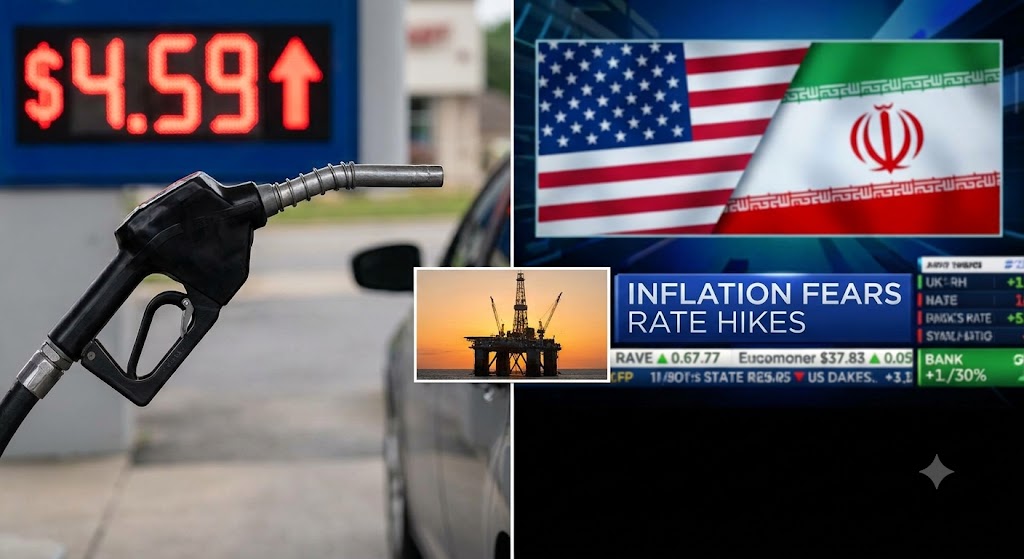
Following renewed military confrontations between the United States and Iran, global oil and gas prices experienced a notable increase, sparking concerns about future energy supplies and inflation. Brent crude oil prices momentarily reached their highest in over a month before stabilizing, as President Donald Trump decided against implementing a 20% fee on ships traversing the strategic Strait of Hormuz. This narrow waterway is a crucial passage for oil shipments, and any disruptions to its traffic could have significant implications for global energy markets.
The surge in energy prices has prompted speculation that central banks, such as the Bank of England and the European Central Bank, might consider raising interest rates later in the year to address rising inflation. The potential for increased rates has affected financial markets, with bond yields climbing and European stock markets initially dropping. However, the markets showed signs of recovery once fears over the proposed shipping levy subsided.
Analysts caution that the ongoing tensions in the Middle East could lead to sustained volatility in energy markets. This instability may play a significant role in shaping global inflation trends and influencing monetary policy decisions in the months ahead. As these geopolitical dynamics unfold, economies worldwide will be closely monitoring potential impacts on energy pricing and economic stability.
The relationship between geopolitical events and financial markets remains evident as investors react to developments that could affect the global supply chain. The strategic importance of the Strait of Hormuz underscores its role in the global energy market, and any disruption there could have far-reaching economic consequences. As such, the situation remains a focal point for policymakers and market participants alike, who are keenly aware of the delicate balance between geopolitical stability and economic growth.