
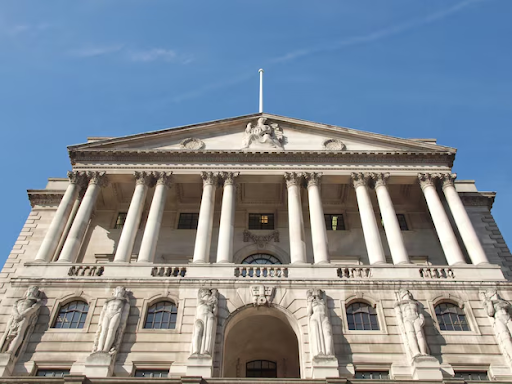
The Bank of England has kept interest rates unchanged at 3.75%, recognizing that the UK economy is undergoing long-term transformation requiring patient monetary policy. Structural changes take time to work through the system.
The monetary policy committee’s 5-4 vote occurred amid multiple simultaneous transformations: digital economy growth, green transition, Brexit adjustments, demographic shifts, and post-pandemic restructuring. These structural changes affect how the economy responds to interest rates.
Monetary policy works best for cyclical stabilization—smoothing business cycle fluctuations around a stable trend. When the trend itself is shifting due to structural transformation, monetary policy has limited ability to address resulting adjustments. This argues for patience rather than aggressive action.
The six rate cuts since mid-2024 provided cyclical support, but can’t accelerate structural transformations. Whether the economy can grow at 0.9% without inflation, or whether higher growth is possible, depends largely on how successfully structural changes proceed. Monetary policy can support but not drive this process.
Governor Bailey’s projection that inflation will fall to around 2% by spring reflects partly cyclical factors monetary policy influences and partly structural adjustments beyond Bank control. The unemployment forecast of 5.3% similarly mixes cyclical and structural components. Patient policy allows structural adjustments to proceed without destabilizing interference. Chancellor Reeves’s budget measures, including utility bill cuts and rail fare freezes from April, address some structural cost factors directly. The forecast of 2.1% inflation by mid-2026 assumes structural transformations proceed without major disruptions. The Bank must be patient as these long-term changes unfold rather than overreacting to short-term data.